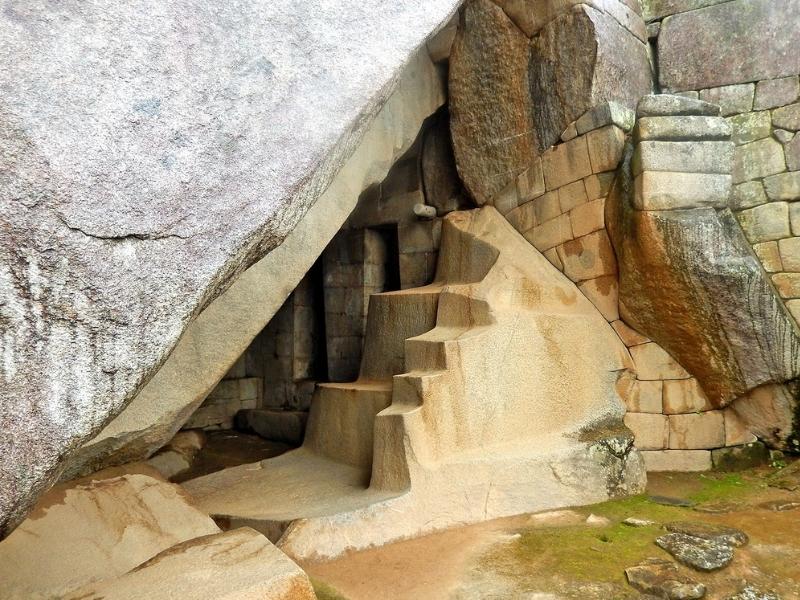
12 hr
Full-Day Machu Picchu Tour from Cusco
- Expert local guide
- Small group
- Skip-the-line access
Machu Picchu Day Trip From Cusco — Train Routes & Circuit Access
From Ollantaytambo's dawn platform to the citadel's sunlit terraces, a single day unfolds centuries.
Compare fares, pick the fit — all bookings are mobile-voucher and eligible for free cancellation where shown.
12 hr
12 hr
15 hr
Selecting the correct entry level is the most vital step when planning your machu picchu day trip from cusco. These tickets define your route through the Inca citadel, ensuring you capture the specific views and archaeological sectors you desire.
| Circuit 1 Panoramic View |
Top pick Circuit 2 Classic Citadel |
Circuit 3 Royalty & Ruins | |
|---|---|---|---|
| Circuit Type | Panoramic Observation | Full Citadel Tour | Archaeological & Mountain |
| Visual Perspective | Elevated postcard vistas | Balanced classic ruins | Lower-level architectural focus |
| Physical Intensity | Moderate incline | Standard walking pace | High for mountain routes |
| Access Area | Upper terraces and viewpoints | Comprehensive urban core | Lower temples and residential |
| See tickets & prices |
Verdict: Choose Circuit 2 for your machu picchu day trip from cusco tour to secure the most comprehensive experience.
Worth it for those seeking world-wonder access
A machu picchu day trip from cusco demands commitment: expect 3–4 hours each way by train and bus, a 163 PEN entrance fee, plus transport costs that typically run 400–600 PEN round-trip. The logistical load is real — early departures, mandatory circuit routes, and altitude considerations mean this isn't a casual outing. Yet the payoff is access to one of the planet's most significant archaeological sites, where Inca stonework and cloud-forest panoramas justify the effort for first-time visitors. If you're already in Cusco and wondering whether machu picchu day trip from cusco tours deliver value, the answer hinges on your tolerance for long transit and structured visits. Independent travelers can shave costs by booking trains separately, while guided options add historical context that transforms stone terraces into lived history. The Sacred Valley setting and engineering precision of the citadel reward those willing to navigate the logistics, though budget-conscious travelers should account for the full day's expense beyond just the ticket price.
Bottom line: The investment pays off if you value witnessing iconic archaeology firsthand and accept the transit trade-off.
Hand-picked experiences loved by thousands of travelers
4 days
Bike through cloud forests, soak in thermal springs, and trek ancient paths to the iconic citadel
2 days
Journey through ancient Inca sites, ride scenic trains, and witness the wonder of Machu Picchu
14 hours
Journey through the Sacred Valley to explore the ancient citadel with expert guides and scenic train travel
2 days
Journey through the Sacred Valley to witness sunrise at Machu Picchu on this unforgettable two-day adventure
10 hours
Free Cancellation
Journey by train through Andean valleys to explore Peru's ancient Inca citadel with an expert guide
4 hours
Journey by train through the Sacred Valley to explore the ancient Inca citadel with an expert guide
Full day (approximately 12-14 hours)
Free Cancellation
Discover the legendary Inca citadel with private transport, train tickets, guided exploration, and panoramic views of one of the world's wonders
15 hours
Free Cancellation
Experience the legendary Incan citadel with premium panoramic train travel and expert-led exploration
You board the PeruRail service at Ollantaytambo's platform at 06:10, the Urubamba River a grey ribbon beside the track as the train navigates the Sacred Valley's narrowing corridor. Ninety minutes later, Aguas Calientes materializes—a grid of hostales and artisan stalls wedged into the canyon floor.
The shuttle bus departs every twelve minutes, climbing twenty-five hairpin turns; you disembark at the entrance checkpoint at 08:00, ticket scanned, passport checked.
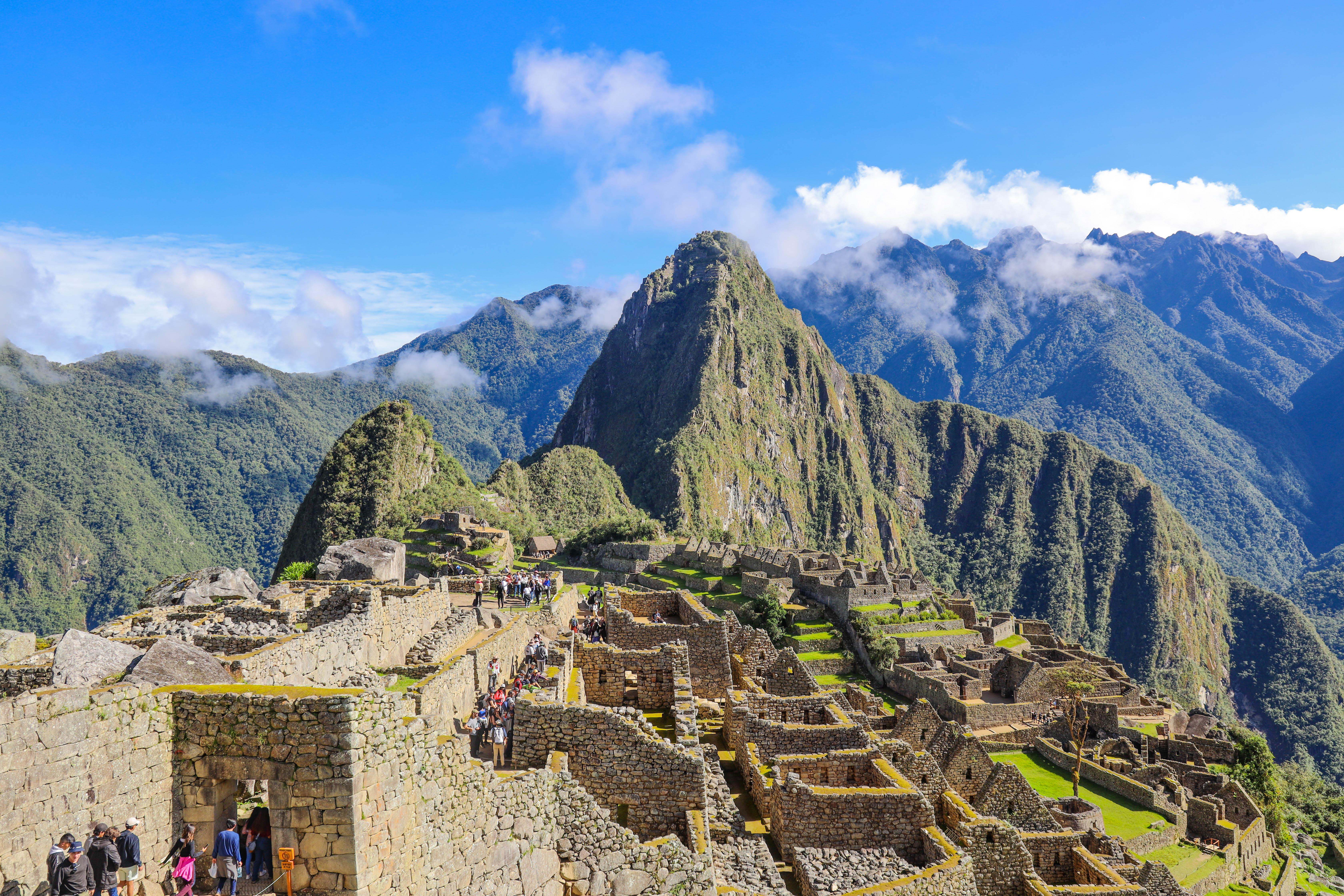
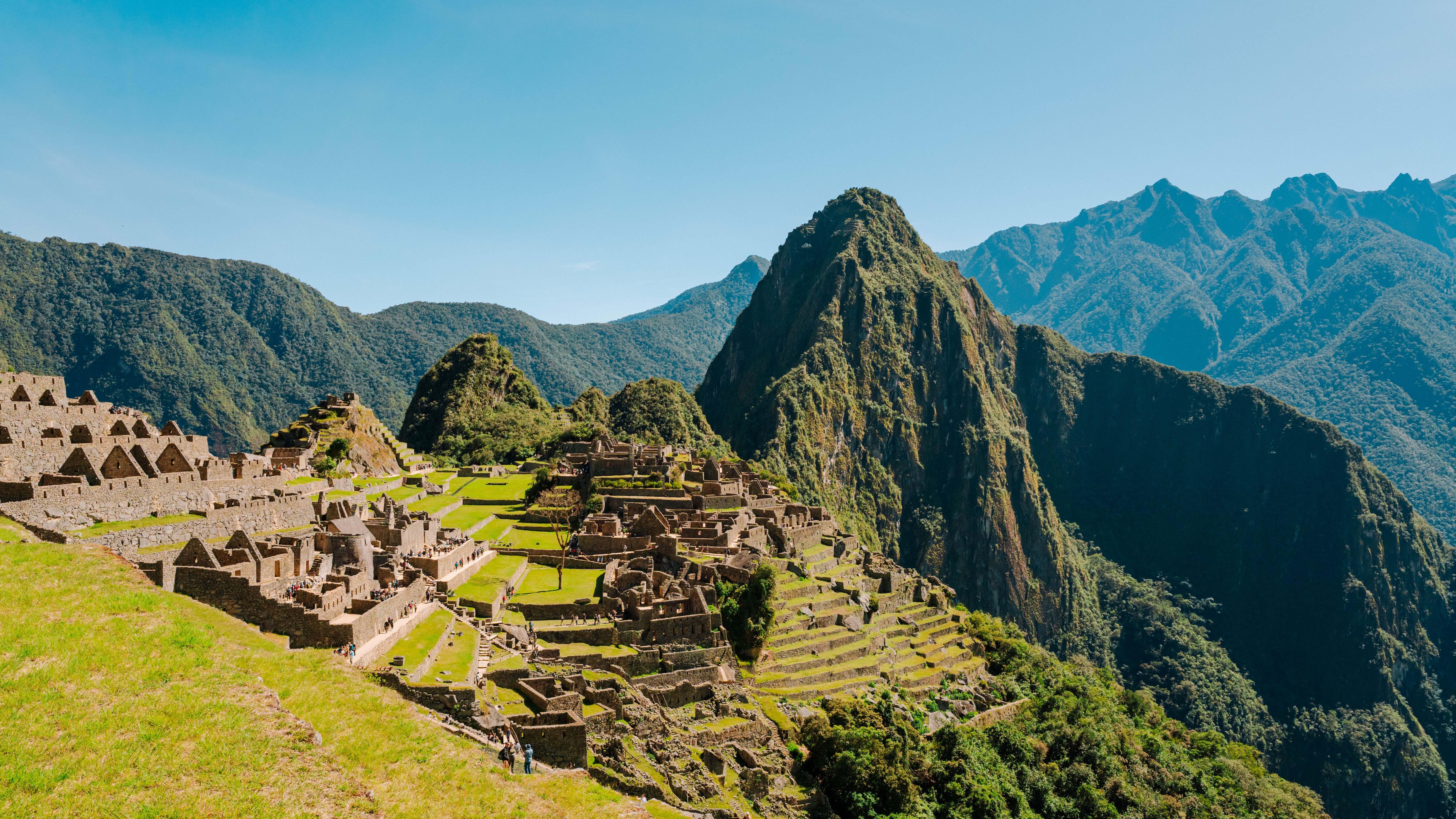
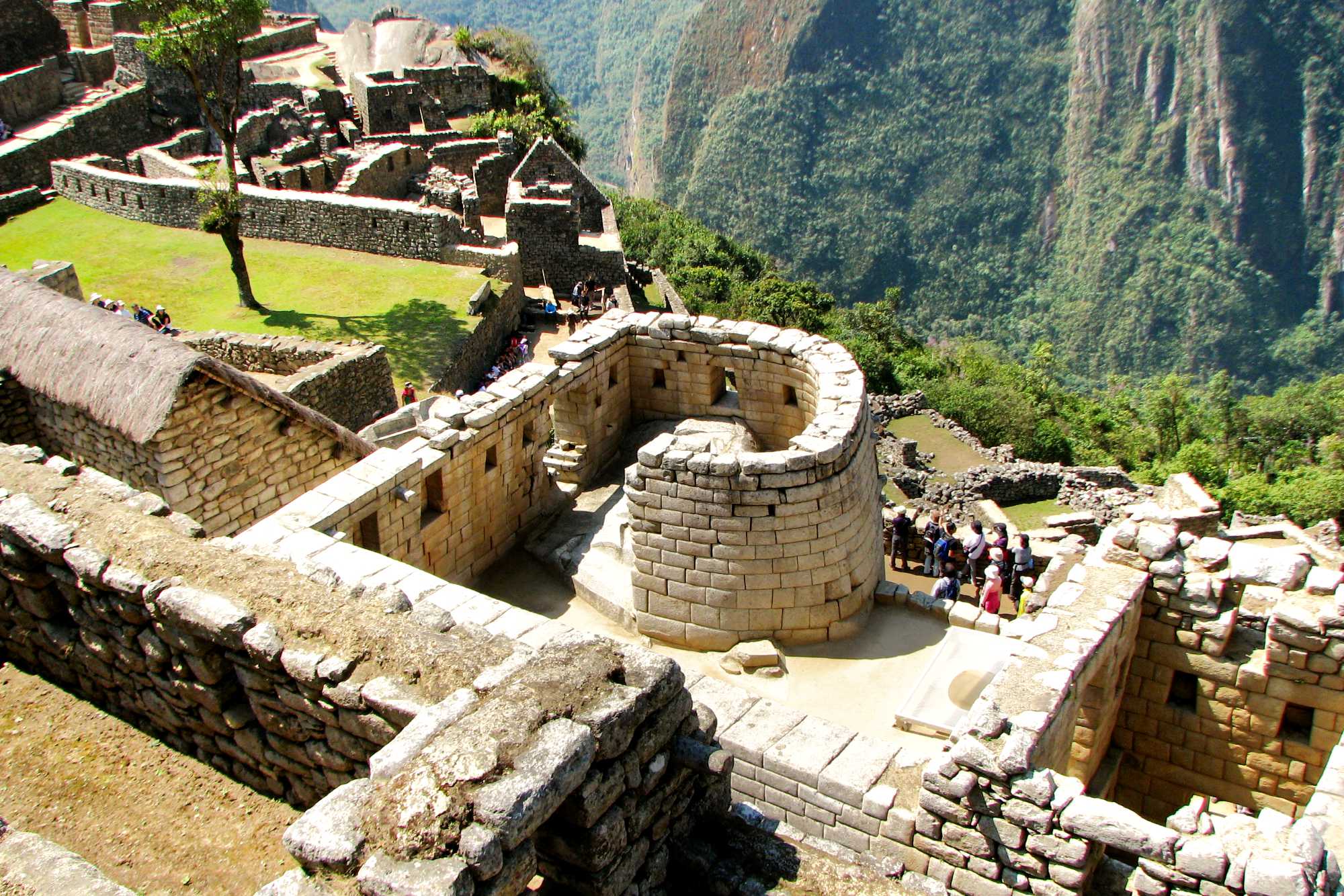
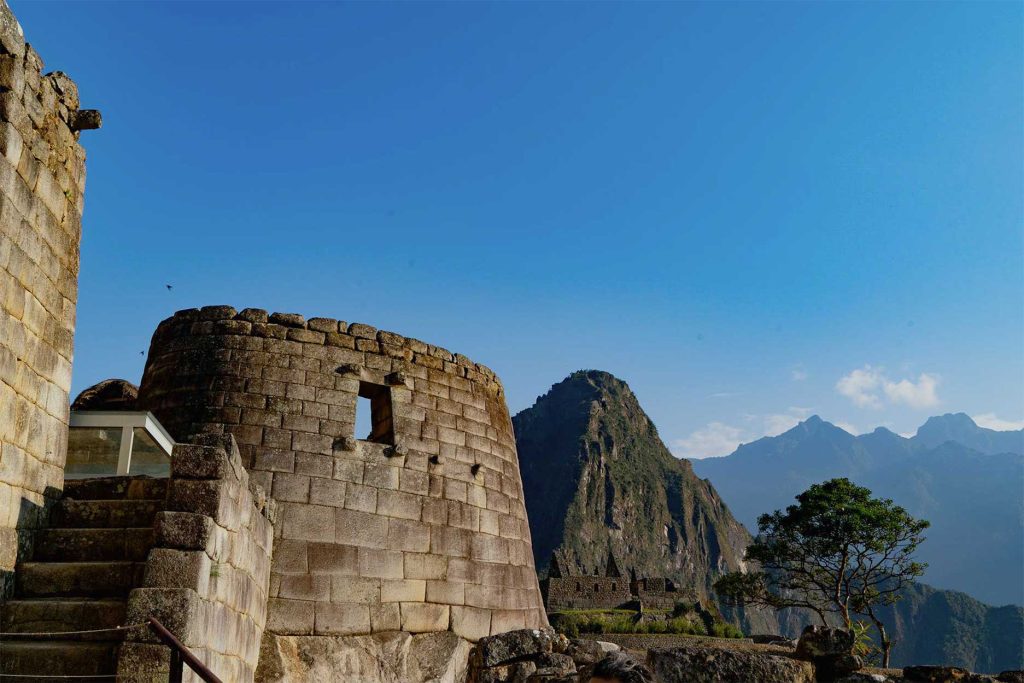
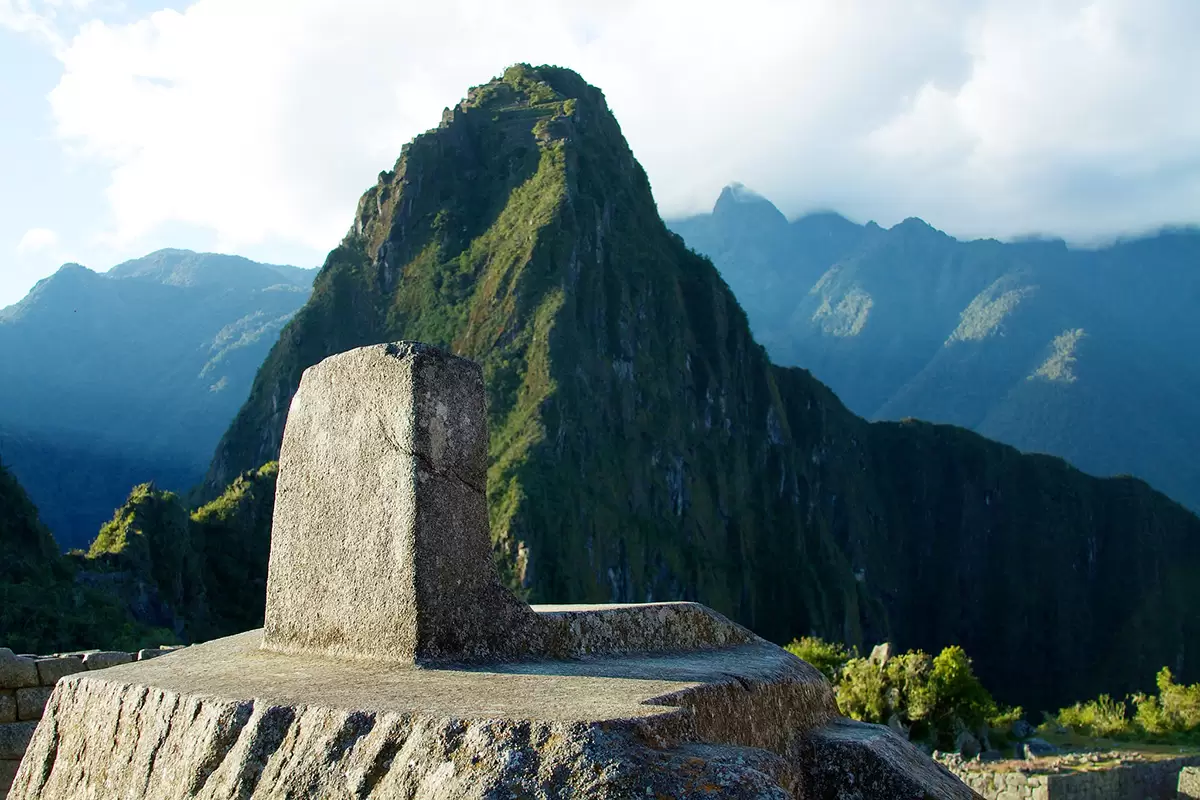
Circuit 2 begins at the upper agricultural terraces, where you trace the eastern perimeter path toward the quarry's scattered granite blocks—some weighing eight tonnes, abandoned mid-transport when the site was depopulated in 1572. The Temple of the Sun's trapezoidal window frames Huayna Picchu's summit; you pause there, noting the curved wall's seamless joint work. Descending to the Sacred Plaza, you pass the Principal Temple's three-walled enclosure, then climb to the Intihuatana—a waist-high stone column casting a shadow that marks solar noon.
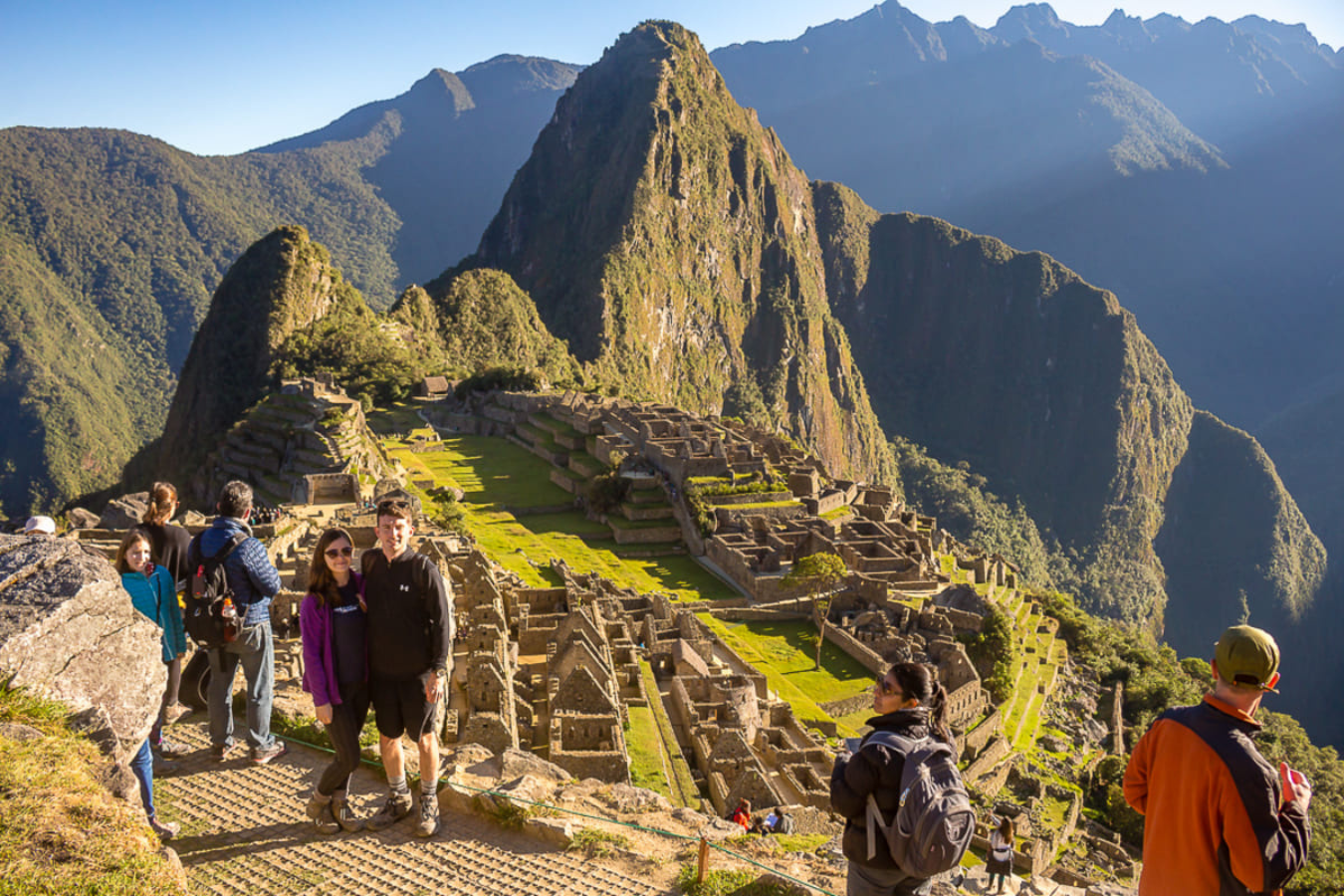
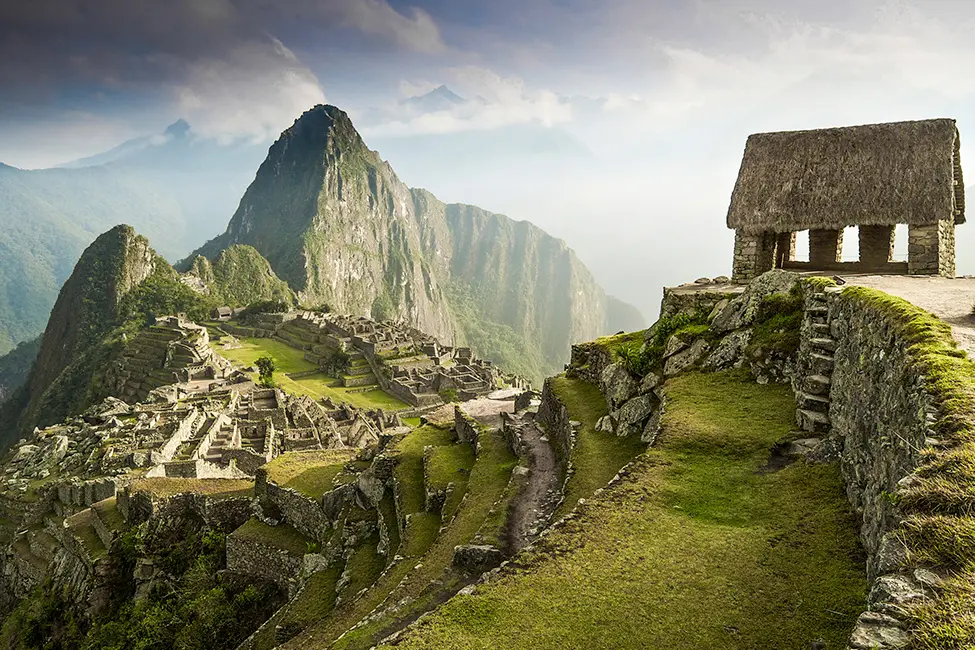
By 11:00, the main plaza fills with guided groups, so you move toward the residential sector's terraced compounds, where doorways stand 1.5 metres tall and niches once held ceremonial vessels. The Guardian's House viewpoint, perched above the entrance complex, offers the postcard perspective: terraces stacked in geometric tiers, the Urubamba looping 400 metres below. You linger until 12:30, then retrace the switchback descent to catch the 14:00 return train.
All the details about your upcoming adventure in one place
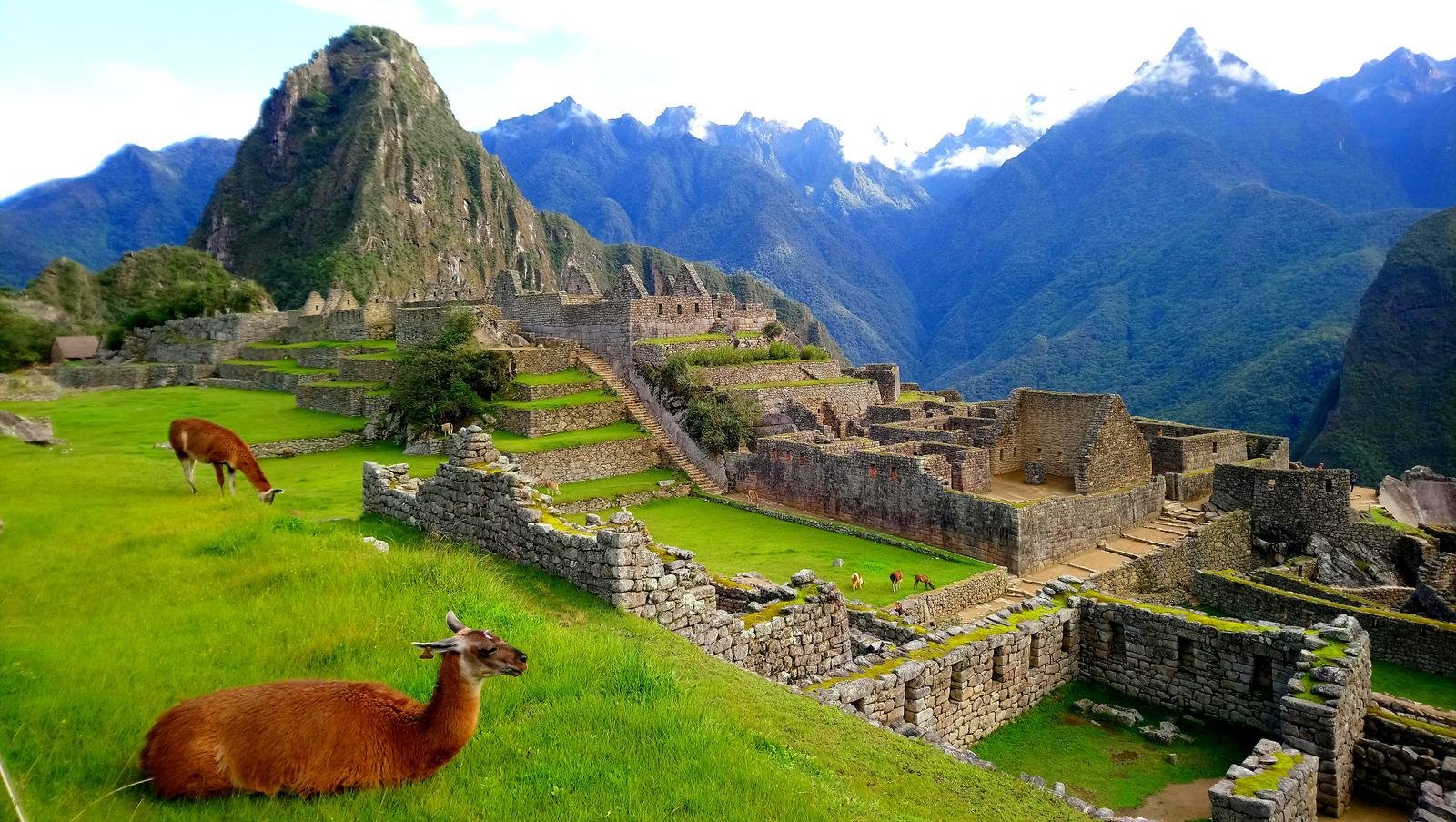
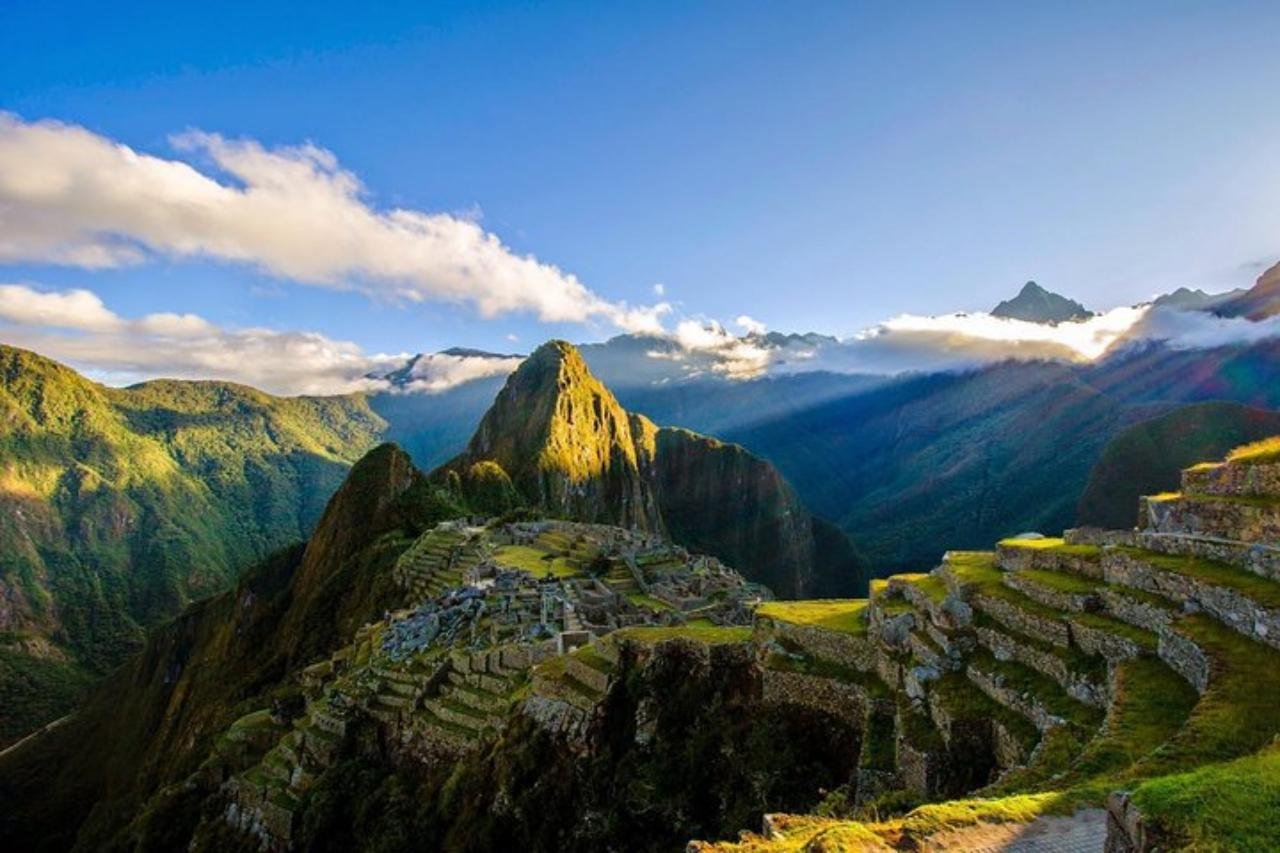
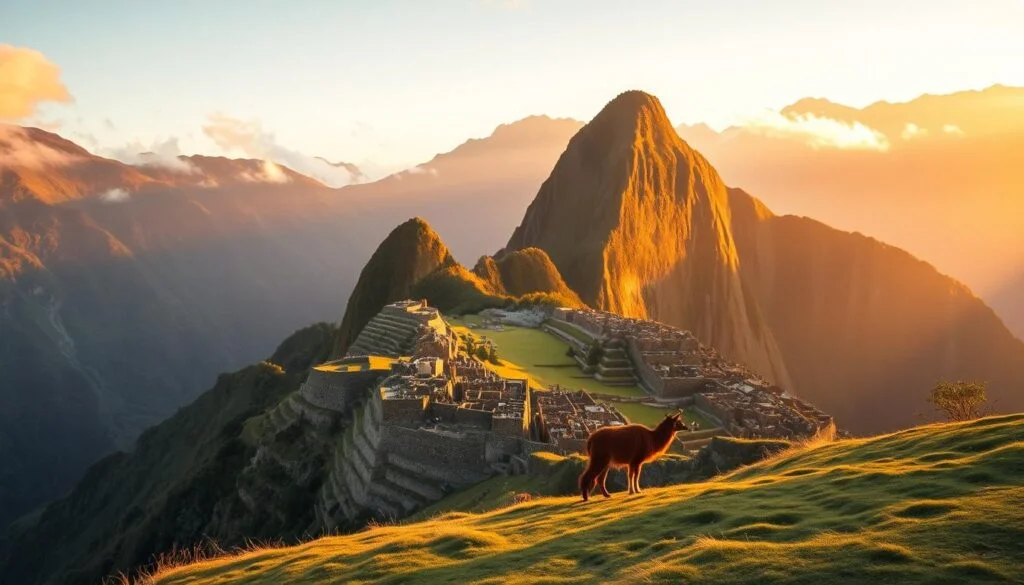
A machu picchu day trip from cusco combines train travel through the Sacred Valley with guided exploration of the 15th-century Incan citadel perched at 2,430 meters. Most machu picchu day trip from cusco tours depart before dawn and return by evening, covering transport, entrance fees, and walks through agricultural terraces, the Temple of the Sun, and the Intihuatana stone. Llamas graze freely among the ruins while Huayna Picchu provides a backdrop for this UNESCO World Heritage Site.
Hiram Bingham's 1911 expedition catalogued 135 structures across fifteen hectares, but the citadel's true scale remained obscured by cloud forest until aerial surveys in the 1940s revealed terraces extending nearly 700 metres down the eastern slope.
Built between 1450 and 1460 under Pachacuti's directive, the site served as a royal estate and ceremonial center, its granite ashlar blocks cut with bronze chisels and fitted without mortar to withstand seismic activity along the Urubamba fault line. The Intihuatana stone—carved from a single andesite outcrop—aligns with the sun's zenith during the September equinox, a precision modern astronomers replicated only with laser transit tools.
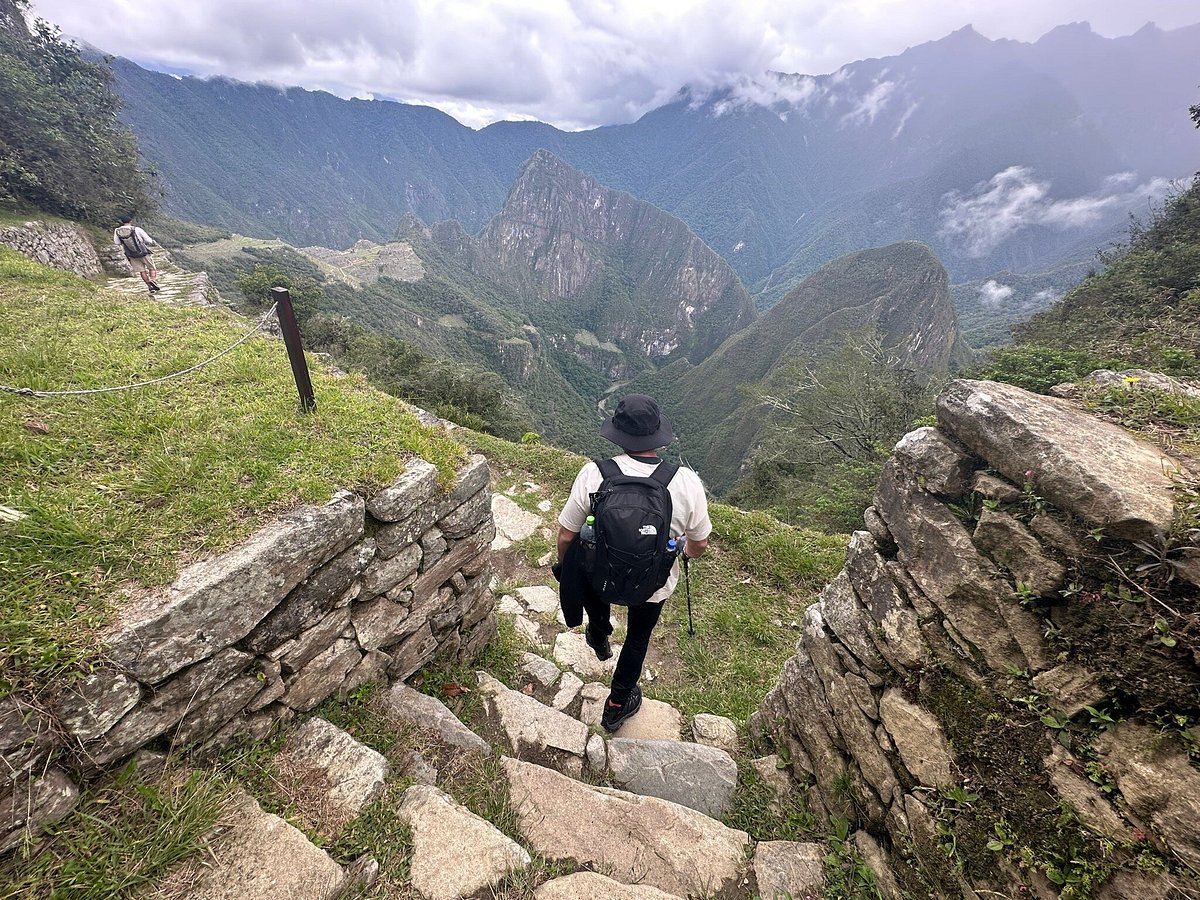
Today, Machu Picchu receives visitors through a mandatory circuit system introduced in 2024 to manage foot traffic across fragile infrastructure. Circuit 2, the most comprehensive route, spans the upper terraces, the Temple of the Sun's curved wall, and the Sacred Plaza's three-sided enclosure, requiring two to three hours at a measured pace. Access from Cusco hinges on the Ollantaytambo-Aguas Calientes railway, a 90-minute journey through thirteen microclimates as the track descends from highland puna to subtropical montane forest. The final ascent—either via switchback bus or the vertical Hiram Bingham Trail—climbs 400 metres in thirty minutes, depositing arrivals at the checkpoint gate by 06:00 when morning fog still clings to Huayna Picchu's northern face.
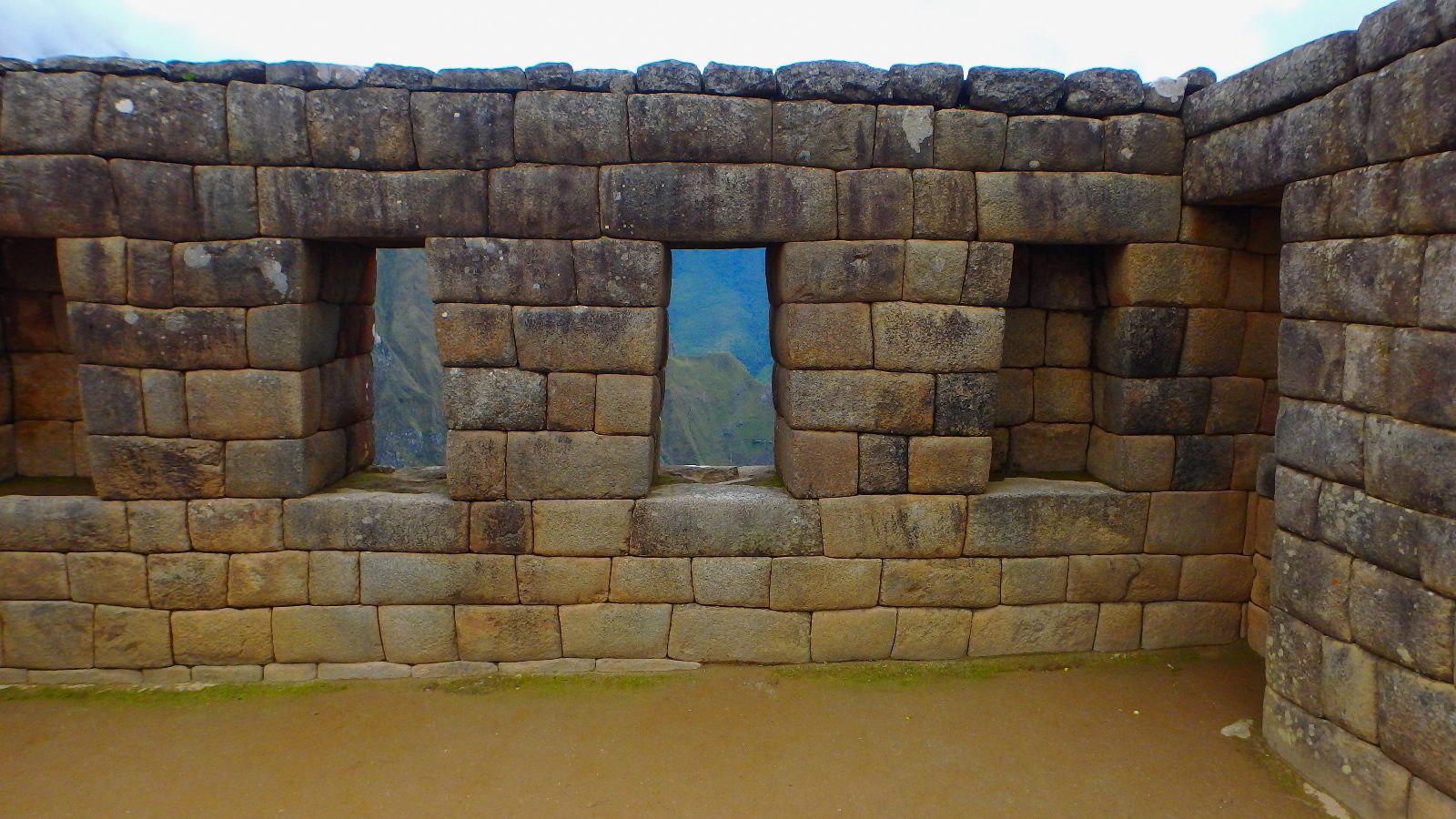
The site's conservation status reflects decades of interventional archaeology. UNESCO's 1983 designation mandated drainage retrofits to prevent terrace collapse during the December–March rainy season, when daily precipitation averages 160 millimetres. Restoration teams have stabilized the Temple of the Three Windows using reversible lime mortar, and the agricultural sector's 40 terraces now host endemic plant species documented in Inca-era pollen samples. A machu picchu day trip from cusco by train remains the sole low-altitude approach; the Inca Trail's four-day trek terminates at the Sun Gate but requires permits issued six months ahead. For single-day visitors, arrival before 08:00 ensures access to the Guardian's House viewpoint—elevation 2,720 metres—before tour groups converge on the main plaza, where the morning light renders the Urubamba's oxbow bend in sharp relief against the valley's sedimentary layers.
The Intihuatana stone aligns with the sun's zenith during the September equinox, a precision modern astronomers replicated only with laser transit tools.
Dress in layers as temperatures fluctuate throughout the day. Avoid costumes, revealing clothing, or items intended for advertising, as these may lead to restricted access.
Bags must not exceed 40x35x20 cm. All visitors must pass through security and present a valid passport matching the ticket name.
Photography is permitted for personal use only. Stabilization equipment like tripods, monopods, selfie sticks, and drones are strictly prohibited.
Children under 3 enter free with an adult. Strollers are prohibited, so use a baby carrier for young children.
The site is not designed for full accessibility due to steep stone stairs and uneven terrain. Circuit 3 is recommended for limited mobility, though assistance is often necessary.
Professional catering or full meals are not allowed inside. You may carry a reusable water bottle for hydration during your circuit.
Opening Hours
06:00–17:00
Address
Historic Sanctuary of Machu Picchu, Aguas Calientes, Cusco, Peru
Entry requirements
Passport required for entry
Best arrival
06:00–16:15
Storage
Limited storage available outside entrance
Official site
https://www.machupicchu.gob.pe
Tickets are strictly non-refundable once purchased. Ensure your details match your passport exactly at the time of booking to avoid entry issues.
Recommended time
4-5 hours
A machu picchu day trip from cusco requires careful timing to navigate the citadel efficiently while respecting the mandatory circuit flow. Because trains from Ollantaytambo arrive throughout the morning, visitor density increases steadily until mid-day. Securing machu picchu day trip from cusco tickets for the earliest possible slot allows you to traverse the stone terraces before the peak influx of travelers, while those arriving later should expect longer wait times at the main entrance.
Crowd levels through the day
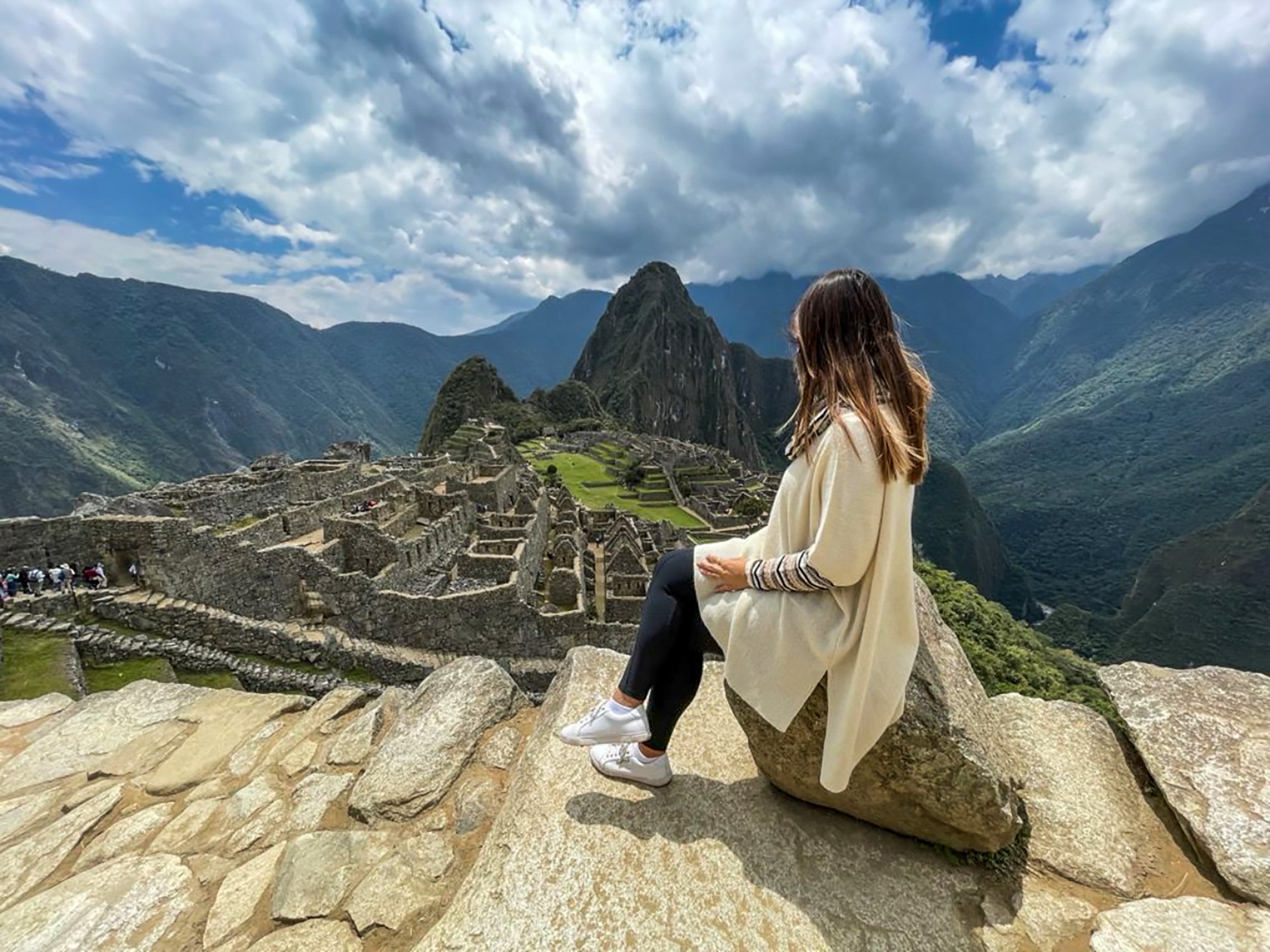
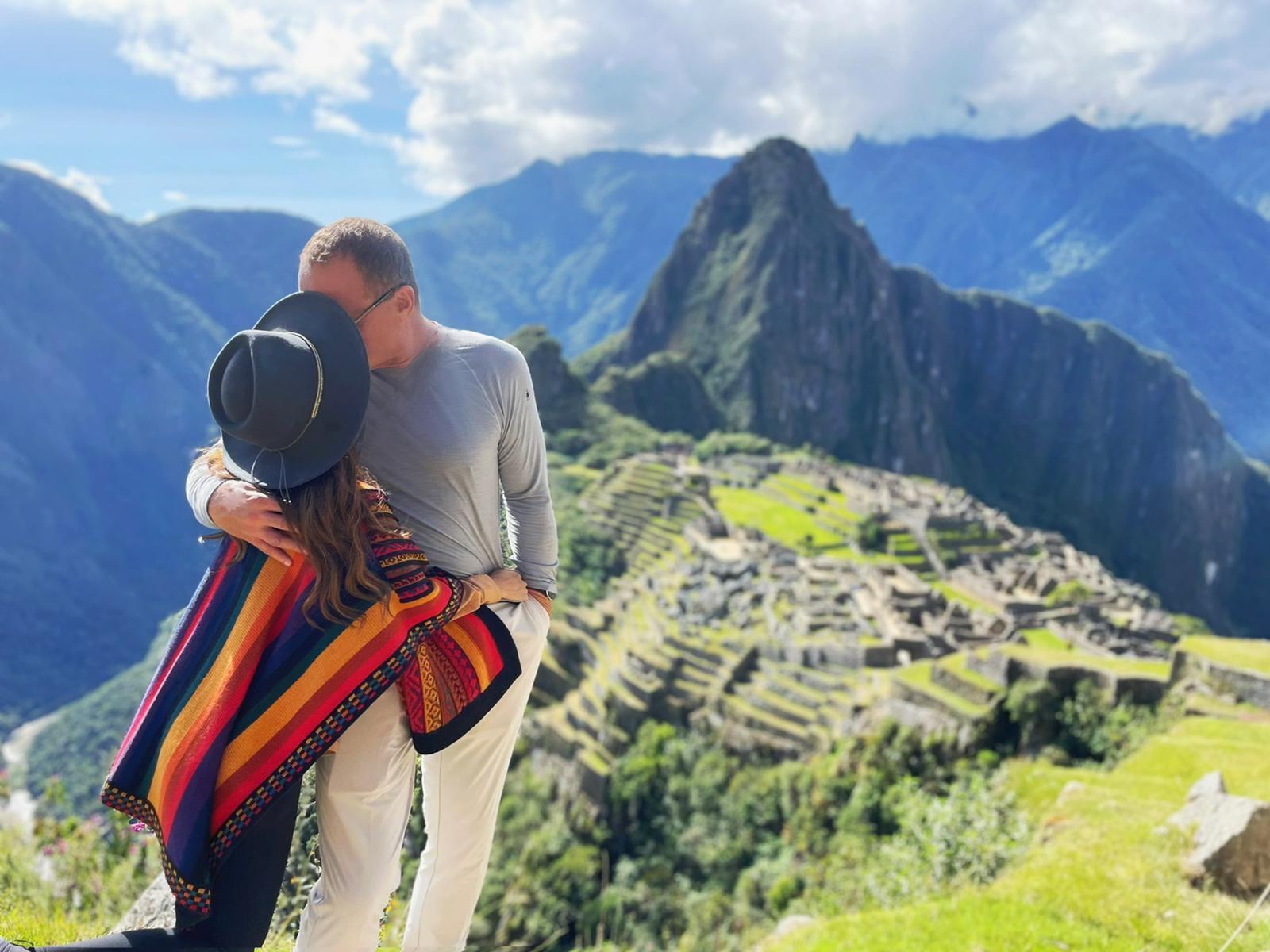
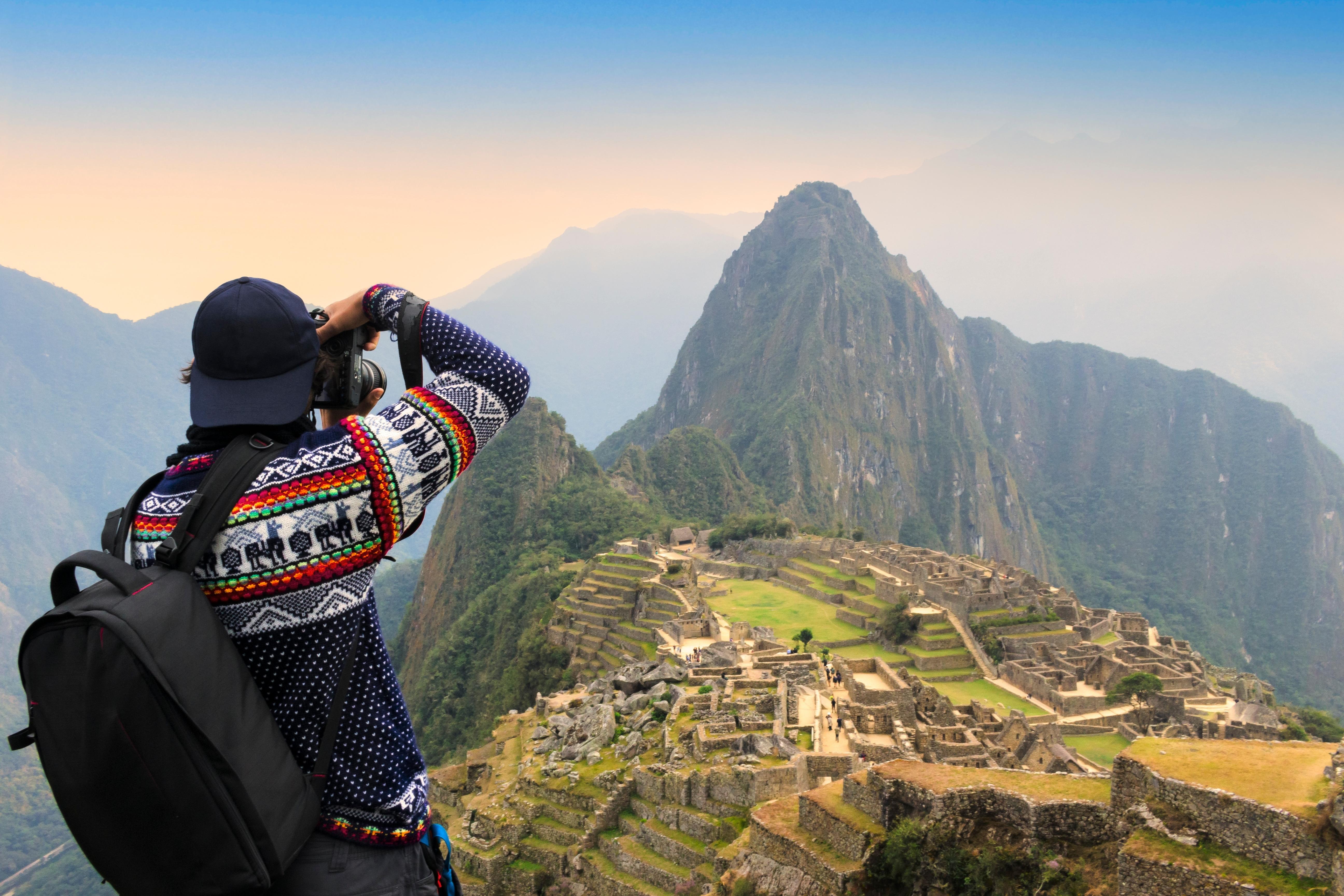
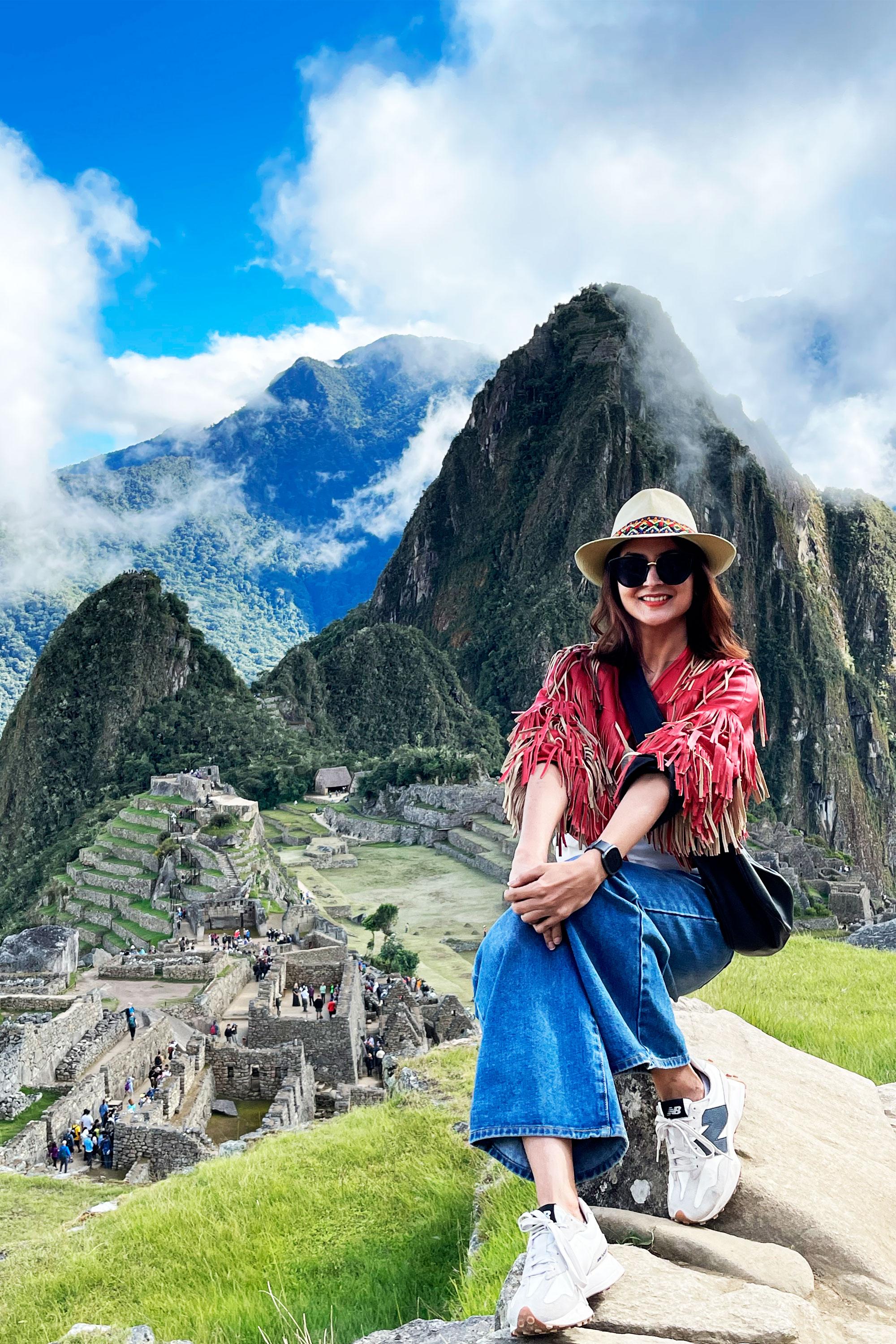
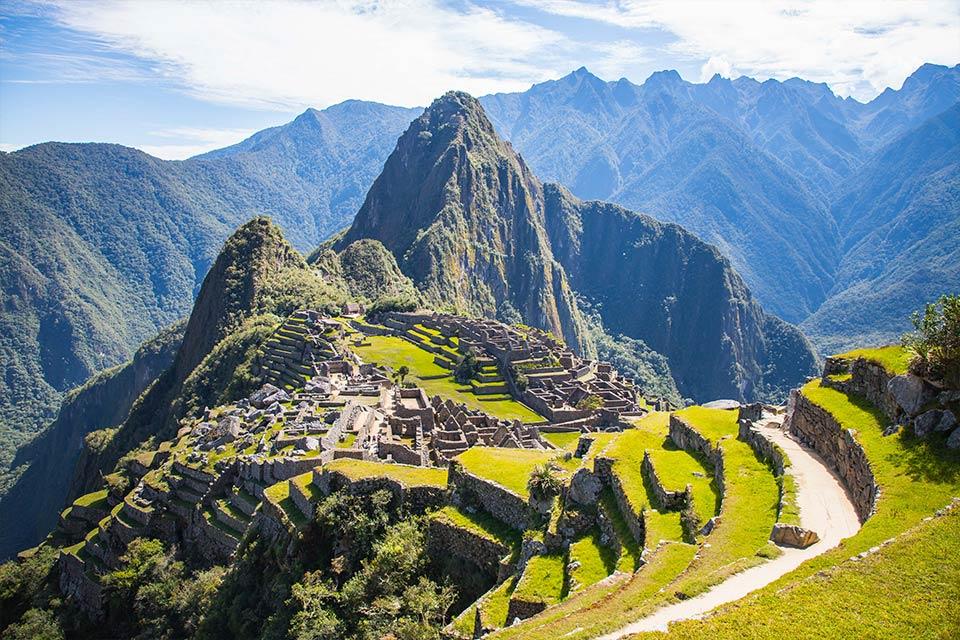
Position yourself at this iconic elevated vantage point to capture the classic panorama of the citadel with Huayna Picchu rising in the background. It is the most recognizable angle for any machu picchu day trip from cusco and provides the full layout of the stone ruins.
This wide platform offers a panoramic perspective of the lower sectors and agricultural terraces. Many travelers securing machu picchu day trip from cusco tickets aim for this spot first to avoid the midday crowds.
Capture the unique curved stonework and the precise masonry that characterizes this ceremonial site. Access is restricted to specific circuits, so ensure your machu picchu day trip from cusco tour includes this area.
Focus on the carved ritual rock atop the hill that served as an astronomical calendar for the Inca. This location requires careful framing to isolate the pillar from the surrounding visitor paths.
Dining options directly within the archaeological site are non-existent, making Aguas Calientes the primary hub for those on a machu picchu day trip from cusco. Visitors typically rely on the diverse eateries located near the train station and the Hiram Bingham bus departure point to refuel after exploring this UNESCO heritage site.
Located steps from the entrance, this is the only option for a sit-down meal at the summit. It serves buffet-style lunch to visitors seeking convenience during their machu picchu day trip from cusco tours.
Real experiences from real travelers
Departed Cusco at 5am and reached the site by 9am when morning mist was still clearing from the valleys. Our guide explained the astronomical significance of the Intihuatana stone and pointed out condors circling above the terraces. The train journey through the Urubamba canyon alone justified the day trip from Cusco.
The scale of the citadel surprised me even after seeing countless photos. We spent four hours walking through the urban sector, agricultural terraces, and royal quarters. Light was perfect around 10am for photography. Guide recommended we climb to the guardian's hut viewpoint first for orientation.
Booked a machu picchu day trip from cusco with morning train slot and arrived before the largest tour groups. The site's elevation at 2,430 meters felt comfortable after acclimatizing in Cusco. Stone construction techniques in the Temple of the Sun showed remarkable precision. Returned to Cusco by 7pm with time for dinner.
Train departed Ollantaytambo at 6:50am and bus transfer from Aguas Calientes was efficient. Weather turned cloudy by midday which actually made walking more comfortable. Would have appreciated more time at the site itself rather than rushing through in three hours. Still, seeing the citadel in person was worthwhile.
The hydraulic engineering impressed me most—16 fountains still functioning after 500 years. Our small group tour from Cusco included detailed explanations of Inca astronomical observations and agricultural experiments on the terraces. Cloud forest surrounding the peaks created dramatic atmosphere.
Started the machu picchu day trip from cusco at dawn and watched sunrise illuminate Huayna Picchu peak. Guide explained how the site functioned as a royal estate rather than a fortress. The Temple of Three Windows aligned perfectly with surrounding mountains. Llamas wandering the terraces added charm.
Traveled from Cusco by train and arrived when morning light was optimal for the upper terraces. The guardian's hut viewpoint offered the classic perspective I'd seen in photographs. Spent an hour exploring the residential sectors and stone workshops. Return journey provided valley views I'd missed in predawn darkness.
Our guide from Cusco identified medicinal plants the Inca cultivated on experimental terraces and explained the site's connection to surrounding peaks considered sacred. Stone work in the Royal Tomb showed incredible craftsmanship. Four hours felt appropriate to cover main sectors without rushing.
The morning machu picchu day trip from cusco tours delivered everything promised. Mist clearing from Urubamba canyon created ethereal atmosphere as we walked through the citadel. Temple of the Condor's natural rock formations integrated into construction demonstrated sophisticated design. Would recommend the early departure time.
Departed Cusco before sunrise and reached the ruins with manageable crowd levels. The agricultural sector's terracing system prevented erosion on steep slopes for centuries. Our guide explained astronomical alignments during solstices. Train ride back offered time to process the experience and rest before evening in Cusco.
Everything you need to know for your journey
The site is open daily from 06:00 to 17:00.
No, all visitors to Machu Picchu must be accompanied by an official tour guide.
No, backpacks must not exceed 40x35x20 cm to enter the citadel.
The standard base adult entry fee is 163 PEN, which includes the conservation fee.
Yes, for personal use, but tripods, selfie sticks, and drones are prohibited.
No, strollers are strictly prohibited due to the steep, uneven stone terrain.
Entry is strictly timed, and late arrival may result in denied entry without a refund.
No, food is not permitted inside the sanctuary, but you may carry water.
Arrive between 06:00–16:15 to allow sufficient time for your mandatory circuit.
Join thousands of happy travelers who have discovered this incredible experience
Book Your Experience Now